Helpful Books, Websites, Support Groups and More Resources for Dog and Cat Amputation Recovery and Care
Tripawds Community Resources:
News Blog: Read the latest pet health, cancer and amputation news.
Discussion Forums: Members share stories, tips, and provide support.
Downloads Blog: Download e-books for fast answers, get helpful videos, podcasts and more.
Nutrition Blog: Learn about diet, supplements, and nutrition.
Tripawds Foundation: Discover all assistance programs and find out how you can help.
Tripawd Talk Radio: Listen and subscribe to the Tripawds Podcast.

Get all the info you need to help your dog fight cancer in Dr. Dressler’s Kit!
Download Tripawds e-books for fast answers to common concerns!
Scroll down for more than 100 helpful websites, support groups, clinical trials, financial help resources and more!
Websites About Pet Amputation, Cancer and General Health Tips
Support Groups and Forums for Cats, Dogs or Both:
- DOGS & CATS: Learn How to Get Affordable, Awesome Veterinary Care for Your Tripawd
- DOGS: Lessons from a Paralyzed Dog offers tips and support for dogs with paralysis.
- CATS: Learn about Vaccine Associated Sarcoma Amputation for Cats at the Pet Cancer Center.

What to Expect After a Dog or Cat Amputation Diagnosis:
- The Tripawds e-book library is the go-to place for Tripawd dog and cat amputation surgery, recovery and fitness tips.
- Find out what to expect for your three-legged dog with Colorado State University expert Dr. Duerr.
- Get the details on Limb Amputation in Dogs and Cats from the Michigan Ave. Animal Hospital.
- Cat parents learn about life on three legs from International Cat Care article “Owning a Cat with an Amputated Limb.”
- Discover more information about Limb Amputation in Cats from Petplace.com.
- Read this PDF about management of Phantom Limb Pain in Tripawd Dogs, by TC Wait of Colorado.
- The American College of Veterinary Surgeons has great information and tips about dealing with your dog’s amputation surgery and recovery.
Support the Tripawds Foundation to Keep These Resources Available!
Pet Loss Grief Support:
- End-of-life and pet loss resources are available in the Tripawds “Coping with Loss” Discussion Forum.
- Learn poignant end-of-life lessons from your dog in the Legend of Beezer and Boomer by Doug Koktavy.
- Get free help before, during and after terminal illness with the Day By Day Pet Caregiver Support Group (online chats and in-person support circles located in the East Coast, USA)
- Get free help from professionally trained volunteers in pet bereavement counseling from the Association for Pet Loss and Bereavement. Includes a live chat, discussion and more.
- Colorado State University’s Argus Institute offers nationwide counseling for anyone experiencing challenges surrounding their pet’s health care.
- UK residents may be especially comforted at the Ralph Site, a pet loss support community founded by emergency care veterinarian Shailen Jasani.
- Author Moira Anderson Allen, M.Ed. has two great articles about pet loss Defining “Quality of Life” and Ten Tips on Coping with Pet Loss.
- The University of Pennsylvania School of Veterinary Medicine has a Pet Loss and Bereavement for Pet Owners section on their website.
- For a list of veterinary hospice care resources and grief support counselors, visit Land of Pure Gold Foundation’s Vet Hospice Care page (scroll down about halfway).
Physical Aids for Challenged Dogs and Cats:
- Check out the Tripawds Gear blog for the best ways to help your Tripawd live strong.
- Research how can wheelchairs help Tripawds quality of life.
- Ruffwear is where Jerry got his helpful support dog harness.
- Eddie’s Wheels makes wheelchairs for dogs of all sizes including front wheel carts for forelimb amputees.
Prosthetics and Orthotic Braces for Tripawd Dogs and Cats
- Watch our video interviews to learn about prosthetics for three-legged pets.
- Read all Tripawds News Blog Posts about Prosthetics.
- OrthoPets – Veterinary Orthotics and Prosthetics
- Facts About 3-D Printing for Pet Prosthetics
- Video Interview with Dr. Felix Duerr: Prosthetics for three-legged amputee dogs
- Video Interview with Dr. Denis Marcellin-Little: FAQs About Artificial Limbs for Pets on Tripawd Talk Radio
Pet Cancer Tips and Treatments:
- Dr. Demian Dressler’s comprehensive Dog Cancer Survival Guide walks you through the cancer treatment journey.
- Dr. Sue Ettinger gives the latest treatments when amputation is not an option.
- Rainbow’s Bridge has a good page explaining cancer and chemotherapy options.
- Veterinary Partners answers questions about osteosarcoma in dogs.
- The American College of Veterinary Surgeons features information about bone tumors in dogs and cats.
- The Canadian Veterinary Journal discusses the uses and benefits of Palliatve Radiation Therapy for osteosarcoma.
- A great general information site about pet cancer is The Pet Cancer Center.
- Cat parents can learn about Vaccine Associated Fibrosarcoma and Amputation in Cats at VeterinaryPartner.com.
- Australian members will find CanineCancer.org.au full of helpful information about pet cancer.
- Land of Pure Gold Foundation, has awesome information on canine cancer diagnosis, treatments, what to expect and giving programs for financial assistance.
- www.oncolink.com includes in-depth coverage of bone tumors in dogs and quality of life assessment.
- An overview of Histiocytic Diseases in Dogs (Canine Histiocytosis)
Pet Cancer Holistic Treatment Alternatives:
- Diet is one of the most important things you can do for cancer dogs. See Tripawd Hero diet tips for great examples.
- Fight your dog’s cancer with K9 Immunity medicinal mushroom holistic therapy.
- Find cancer information, diet and supplement tips at DogAware.
- Discover vet-approved holistic cancer treatments at a Path with Paws, presented by Dr. Lena McCullough, DVM and certified veterinary acupuncturist.
- More holistic veterinarian-approved resources are found at MyHolisticPetVet.
- For a great summary of Treating Cancer and Immune Support systems, see this summary of the Hoxsey and Essaic Formula Holisitic treatments.
- Help Your Dog Fight Cancer is a website with lots of resources, based on Laurie Kaplan’s books about canine cancer.
Find Holistic Veterinarians and other Health Practitioners for Dogs and Cats:
- Find a holistic veterinary medical provider at the American Holistic Veterinary Medical Association website directory.
- Locate acupuncture specialists in your area at the American Academy of Veterinary Acupuncture website..
- More acupuncture specialists in your area can be located at the Chi Institute of Traditional Chinese Veterinary Medicine..
- Find international acupuncture specialists at the International Veterinary Acupuncture Society.
Find Certified Veterinary Rehab Vets and Techs:
- Free Rehab for New Tripawds: Get details about reimbursement for your first consultation from the Tripawds Foundation through the Maggie Moo Fund for Tripawd Rehab.
- Get a veterinarian (CCRP designed) 12-week canine rehab and nutrition plan to follow at home with Canine Rehab on Demand.
- Find an animal rehabilitation therapist (CCRT) from the Canine Rehabilitation Institute.
- Find a canine or feline rehab therapist (CCRP) from the University of Tennessee Directory.
- Learn about the American Association of Rehabilitation Veterinarians (AARV).
- Find a Rehabilitation Veterinarian (CCRT, CCRP, CERP, and VMRT).
- Use the Interactive map at VitalVet.org to Find a Veterinary Rehab Professional Near You.
- In Canada: Check the Animal Rehab Division of the Canadian Physiotherapy Association.
- In the UK: Find a physio therapist from The Institute of Registered Veterinary and Animal Physiotherapists.
- In Australia: Find certified practitioners in the Australian Canine Rehabilitation Association Directory.
Help your Tripawd dog stay fit and strong!
Get 12-week vet-designed rehab and nutrition plan.
General Health Care Tips for Tripawds:
- Loving Life On Three Legs is filled with professional tips and tutorials for keeping amputee dogs fit and healthy, now available in the Tripawds Library.
- Make the Tripawds Nutrition Blog your first stop in learning about Tripawd and general pet health
- Shirley’s Wellness Cafe is huge resource for lots of dog and cat health and pet cancer information.
- The Dog Food Advisor can help you pick the best food for your dog.
- BARF for Beginners by NJ Boxers, answers the Top 50 questions about the BARF diet for dogs.
- A handy Cat and Dog “BSA / Dosage Calculator” for determining drug dosages.
Veterinary Clinical Trials:
- Vet Cancer Clinical Trials is the AVMA Animal Health Studies Database of veterinary cancer trials around the U.S.
- Comparative Oncology Trials Consortium is network of twenty academic comparative oncology centers to assess novel therapies through clinical trials.
The following organizations also conduct canine cancer clinical trials. List subject to change, please contact Tripawds with any updates.
- Ethos Discovery, nationwide in the US
- Animal Clinical Investigation, Washington DC
- Veterinary Cancer Care Clinic, Santa Fe NM
- Veterinary Cancer Group, Southern CA
- Louisiana State University, Baton Rouge LA
- The Animal Medical Center, NY, NY
- The University of California at Davis
- Colorado State University at Fort Collins
- University of Florida at Gainesvile
- University of Illinois at Urbana-Champaign
- University of Missouri at Columbia
- North Carolina State University at Raleigh
- Ohio State University at Columbus
- University of Pennsylvania in Philadelphia
- Purdue University in Indiana
- University of Tennesseee at Knoxville
- Washington State University at Pullman
- University of Wisconsin at Madison
- Australia: CanineCancer.org.au State Guide to clinical trials
Find More Financial Resources for Help Paying Vet Bills in the Tripawds Downloads Blog!
Advocacy and Fundraising Campaigns:
- Please support The Tripawds Foundation to help improve the lives of our three-legged dog and cat heroes.
- Be a Tripawds Advocate! Print your own free cards and flyers and displays to spread the word in your hometown.
- We love the Morris Animal Foundation for their work in finding causes and cures of pet cancer through veterinary research programs.
- The Puppy Up Foundation is furthering comparative oncology studies to uncover links between human and pet cancers.
- Our friends at Greyhounds Rock support canine cancer treatment and research.
Join the Tripawds Blogs Community
Tripawds is home to 2000+ three legged dog and cat blogs and more than 21,000 registered members. Create your account or start a blog to participate in the discussion forums, live chat, and more!
Blogger
FREE!
All Member Benefits
Chronicle Your Journey
Upload Photos
And More!
Member
FREE!
All Public Resources
Discussion Forums
Private Messaging
Live Chat
Support TripAwds!
Support your Tripawds Community to attend monthly Live Q&A group calls and access members-only content. Supporter blogs get more upload space and extra features.
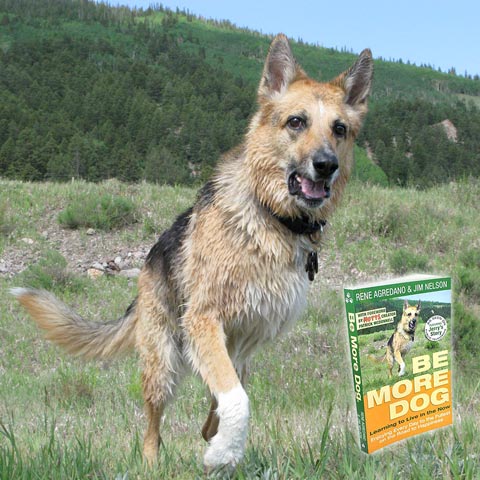
Be More Dog: Learning to Live in the Now
Be More Dog is the inspiring story of how one dog with terminal cancer led his people on a spiritual journey that turned their life around and opened their eyes to the importance of living in the Now. By Tripawds founders Rene & Jim with forward by MUTTS comics creator Patrick McDonnell.